
Berlin's Verified ZIP Labels
Two verified Berlin labels anchor this ZIP code directory. The source also published the date for them. Start there. Do not begin with an assumed Berlin resident list. A sound Berlin ZIP check preserves four fields together. Those are the Berlin street, the Berlin postal city, the Berlin ZIP, and the Berlin municipal label. Begin with a postal label, then test the address against a current delivery source. Connecticut's official municipal and post-office lists identify two ZIP labels for Berlin. Those describe recognized postal places, not a full civil-boundary map. Let USPS by address give the final result. A city label can change while the parcel stays in the same town.
| ZIP | Recognized area label | Post office or station | Search note |
|---|---|---|---|
| 06023 | East Berlin | East Berlin post-office label | Verify each address; the postal city may not match the municipal name |
| 06037 | Kensington, Berlin Station, and Berlin town labels | Kensington / Berlin Station | Town Hall uses Berlin, CT 06037; USPS is the final address check |
Connecticut's municipal directory and postal labels supplies the local naming context.
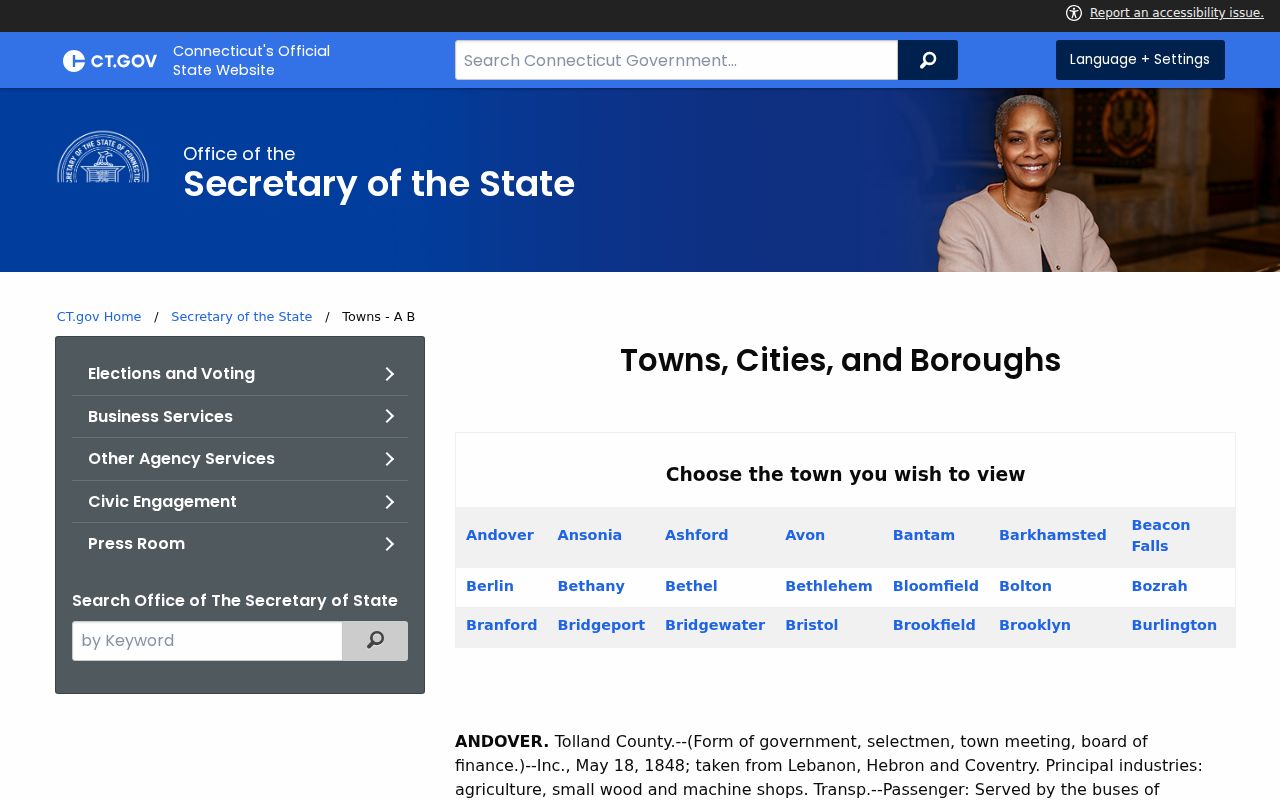
The image illustrates the label distinction only. Read it as a label comparison, not a parcel-by-parcel ZIP crosswalk.
East Berlin ZIPs: 06023 and 06037
East Berlin is a place label inside Berlin, not a separate town. The ZIPs 06023 and 06037 are postal clues that can route one address two ways. A Berlin residents directory entry, deed, tax record, or parcel field may carry any of these labels depending on the source. That is a matter of address convention, not geography.
So a search for plain "Berlin" that fails proves nothing about a 06037 address. Likewise, a 06023 hit does not place a parcel inside a civil boundary. Both 06023 and the 06037 Kensington or Berlin Station label can appear in the same record trail. Keep the recognized city, ZIP, street, unit, and source date together in your notes. That preserves the clue without turning a postal label into a residence claim.
One dated event deserves caution. The 2017 USPS Postal Bulletin records a label change involving 06023, shifting from Berlin, CT 06037 to Plainville, CT 06062. Treat it as a postal-label event only. The town line did not move, and not every 06023 address changed with it.
Use USPS Before a Berlin ZIP Search
Before a Berlin ZIP search becomes a person, parcel, or municipal match, let USPS test the delivery address. USPS gives you three modes. Search by address, by city and state, or list cities by ZIP. The address mode accepts a company field, street address, apartment or suite, city, state, and ZIP. Some cases also take an urbanization code. The other modes return recognized ZIP and city combinations. USPS itself warns that a ZIP result does not confirm any person at the address. It does not confirm a company either. That caution belongs in any street directory work. A postal match is a delivery fact, not a residency fact.
- Enter the complete street and unit in USPS ZIP Code Lookup.
- Copy the recognized city name and ZIP, including any suggested postal label.
- Compare the result with MapXpress LOCATION, MAIL_CITY, MAIL_STATE, and MAIL_ZIP.
- Keep the municipal parcel ID or MBL as the bridge when the ZIP and city label look different.
- Search a name, deed, directory, or voter source only for the question that source is allowed to answer.
The USPS lookup screen shows the three search modes and the address fields.
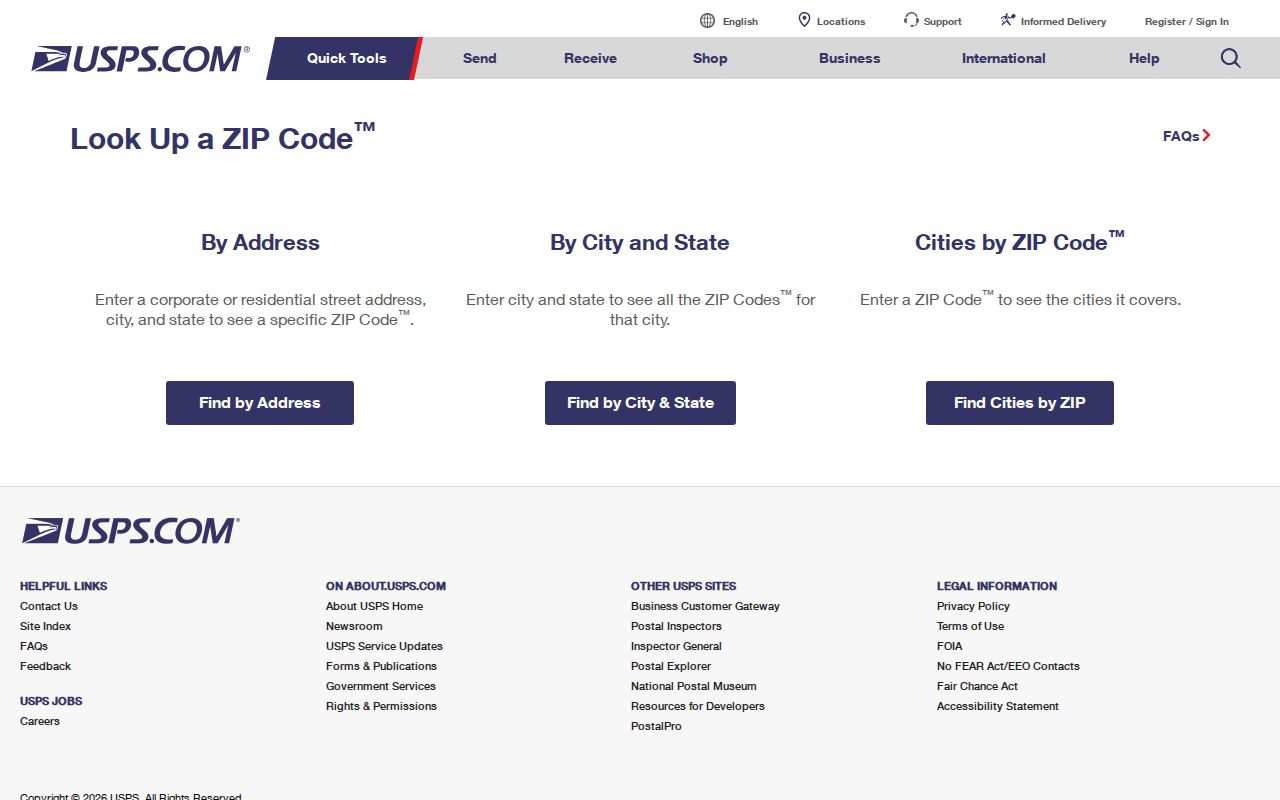
Give USPS the full street and unit whenever several addresses share a ZIP. The match improves address normalization. Still, it remains a delivery result rather than a residence record.
Which Berlin Portals Accept ZIP
Berlin portals treat ZIP very differently. Berlin eLicense and the business search can accept it. Berlin MapXpress returns postal fields only after a parcel match, having no ZIP search field of its own, though its parcel layer does return MAIL_ZIP. MyTaxBill shows no visible ZIP mode. The public ArcGIS service exposes MAIL_ZIP through a technical query, but the town does not offer that as a public ZIP-wide export. eLicense includes an address ZIP field, and SOS results can display a ZIP after a search by business name, ALEI, or filing number. In short, ZIP is not a universal search key across Berlin's record systems.
| Portal | ZIP behavior | What the result means |
|---|---|---|
| MapXpress | No ZIP input; MAIL_ZIP returned in parcel data | Parcel mailing clue, not a ZIP-wide resident list |
| ArcGIS parcel layer | MAIL_ZIP field can be queried technically | GIS query capability, not a documented public export |
| MyTaxBill | No visible ZIP search mode | Use name, property, bill, account, link, tax ID, or DBA |
| eLicense | ZIP text field | Credential or business address filter |
| SOS Business Search | ZIP appears in results | Entity, principal, or agent address field |
Normalize the address with the Berlin ZIP first. Then search the portal on its own real key, whether that is a parcel number, an owner name, or a street. A public Berlin residents directory filtered by ZIP is not something the portals document. Treat any such promise with skepticism.
Berlin ZIP, Situs, Mailing, and Postal Fields
Three address fields can pull in different directions. The situs line marks where the land actually sits. The mailing fields say where correspondence goes. A ZIP field, meanwhile, describes delivery geography rather than ownership at all.
In Berlin, parcel records and postal records work as complements, not substitutes. The MapXpress LOCATION entry carries the physical parcel line. Meanwhile, MAIL_ADDR, MAIL_CITY, MAIL_STATE, and MAIL_ZIP route owner and tax mail to its destination. USPS supplies the recognized delivery label for a complete address. A ZIP code directory search stays reliable only when those separate roles stay clear.
- ZIP code
- A postal delivery geography used to route mail. It is not a civil municipality or a person list.
- ZIP+4
- An extended postal code used for more precise delivery; no public Berlin resident search keyed by ZIP+4 is documented.
- PO-box ZIP
- A postal routing clue associated with a box or station; it does not establish a physical parcel address.
- Carrier route
- A delivery grouping used by the postal system, not a public household or ownership relationship.
Postal and parcel labels sometimes disagree. Keep both versions, and let USPS or the municipal custodian settle which address governs.
Berlin ZIP Boundaries Are Not Town Limits
Berlin town lines, postal city names, and ZIP service areas rarely match. A single mailing address can sit inside the town of Berlin. It may carry a Kensington, East Berlin, or Berlin Station label. Those names are community or postal designations, not separate governments. For older research, remember that New Britain separated from Berlin in 1850. Records before that split may fall under either heading. A city directory or map can also attach a regional label to a parcel. That parcel may be firmly in Berlin today.
The parcel data in MapXpress bridges these gaps. It works through fields like parcel, MBL, MAP, BLOCK, LOT, UNIT, and Unique ID. A ZIP string or city name may not connect a historical entry to a modern location. Those identifiers will. Trust the parcel bridge over any assumption that a ZIP boundary follows a town boundary.
Berlin publishes no complete crosswalk linking every parcel to every out-of-town postal label. No official ZIP population counts exist either. That gap is exactly why USPS by-address verification should open any ZIP code directory workflow in Berlin.
Read Berlin's MBL When ZIPs Mislead
A ZIP can point the wrong way in Berlin. When it does, an MBL or Unique ID gives the parcel trail a steadier key.
MapXpress and the town's ArcGIS records expose several related identifiers. One parcel example carries MBL 8-4-54-1-402, GIS link 8-4-54-1, MAP 8-4, LOT 1, and UNIT 402. A separate lookup example uses a hyphenated Parcel Id like 16-3-142-49. The lesson is simple. MBL, parcel ID, map, lot, unit, and Unique ID work together, but no single formula covers every record.
Deeds complicate things further. A deed may cite a subdivision plan, a condominium unit, an easement, or a metes-and-bounds description rather than the current street number. SearchIQS maps and the Town Clerk can bridge a lot or unit to its current parcel. Lean on the legal description whenever the ZIP and street string refuse to align.
That parcel bridge keeps a ZIP search anchored to land evidence. A postal result alone is never proof of ownership or occupancy.
Historical Berlin ZIP Labels in Directories
Old Berlin directories can carry labels that predate the current delivery convention. A Berlin ZIP code directory should keep the historical label beside the modern postal result. It should not erase it.
Town headings in older directories and newspapers may read Berlin, Kensington, East Berlin, Berlin Station, or even New Britain. Search every plausible label for the period in question. Then compare streets, nearby names, maps, and parcel geometry before drawing a conclusion. A regional city directory may place Cromwell or Rocky Hill entries beside Berlin ones. A neighboring town in the same volume does not make the Berlin page wrong.
Local historical collections, census schedules, land records, and newspapers can explain why a label appears at all. For current addresses, the Berlin Street Directory handles the modern chain. It lets you confirm parcel and street fields before interpreting the older source.
No Verified Berlin ZIP Population Table
No official Berlin table counts residents, voters, or parcels by ZIP. A ZIP code directory should say so plainly. It should not invent a figure from a search-result page. MapXpress reports a parcel count for the portal as a whole. MyVote and the voter file carry their own fields, fees, protections, and use rules. None of those facts converts into a ZIP statistic on its own. It would take an official current table or a documented GIS query.
A legitimate ZIP-wide question still has a path. Ask the responsible office what current aggregation it can release. Describe 06023 or 06037 in your request, and record the method and date of any figure you receive. Never infer a population from postal labels or a handful of parcel results.
What a Berlin ZIP Directory Cannot Prove
A Berlin ZIP result proves none of the things people hope it will. It cannot confirm that a person lives at an address. It cannot confirm an owned Berlin parcel or household membership.
A ZIP is a delivery clue, full stop. It is not an identity record, an occupancy record, an ownership record, or a boundary survey. It cannot expose an unlisted household, a protected voter, or a utility customer. It cannot expose a private group member. It cannot settle an old street number without a parcel or map check. What it can do is normalize delivery information. It can steer a lookup toward the right municipal or postal label in Berlin.
Use the ZIP carefully. A Berlin ZIP code directory is for lawful address research. Verify a consequential identity or residence fact with the relevant custodian, and do not use a postal result to stalk, harass, threaten, or harm anyone.
Use the ZIP to narrow the address, then move to the parcel and the right record set. The ZIP is the filter; the custodian's record is the evidence.