
Sources for Past Berlin Residents
Past Berlin residents appear in Berlin deeds, Berlin directories, Berlin census pages, and Berlin local-history files, each with its own date and limit.
The previous residents of a Berlin address are reconstructed from dated sources, not retrieved from one Berlin master list.
A single record rarely supplies a complete list of previous residents. Berlin's backward trail is layered: the current parcel leads to a deed, a historical directory can add a date-specific occupant, a census can add household context, and a newspaper or probate file can explain a move or death. The table keeps those sources in their proper time and access lane.
| Source | Local years or cutoff | Where held | What it contributes |
|---|---|---|---|
| SearchIQS land index and images | 1972-present | Town Clerk / SearchIQS | Grantor, grantee, deed, mortgage, lien, foreclosure, and recorded instrument |
| Historic index books | 1956-1971 | SearchIQS or Town Clerk counter | Grantor and grantee bridge before the current online run |
| Record-book images | 1949-1971 | Town Clerk / local access | Older page images that may not search by modern address |
| Berlin directories | 1914, 1922, 1930; reels 1954-1959 | NARA, libraries, microfilm, licensed databases | Dated names, addresses, and regional labels |
| Census and newspapers | Census 1790-1950; local titles 1891-1892 | NARA, State Library, Berlin-Peck | Household, relatives, obituaries, and civic events |
| Sanborn maps and probate | Maps 1887, 1895, 1901, 1914; probate web 2011-present | LOC, State Library, PD-08 | Building continuity, estates, fiduciaries, and property references |
The Connecticut State Library old-house guide connects maps, land records, and historic-building research.
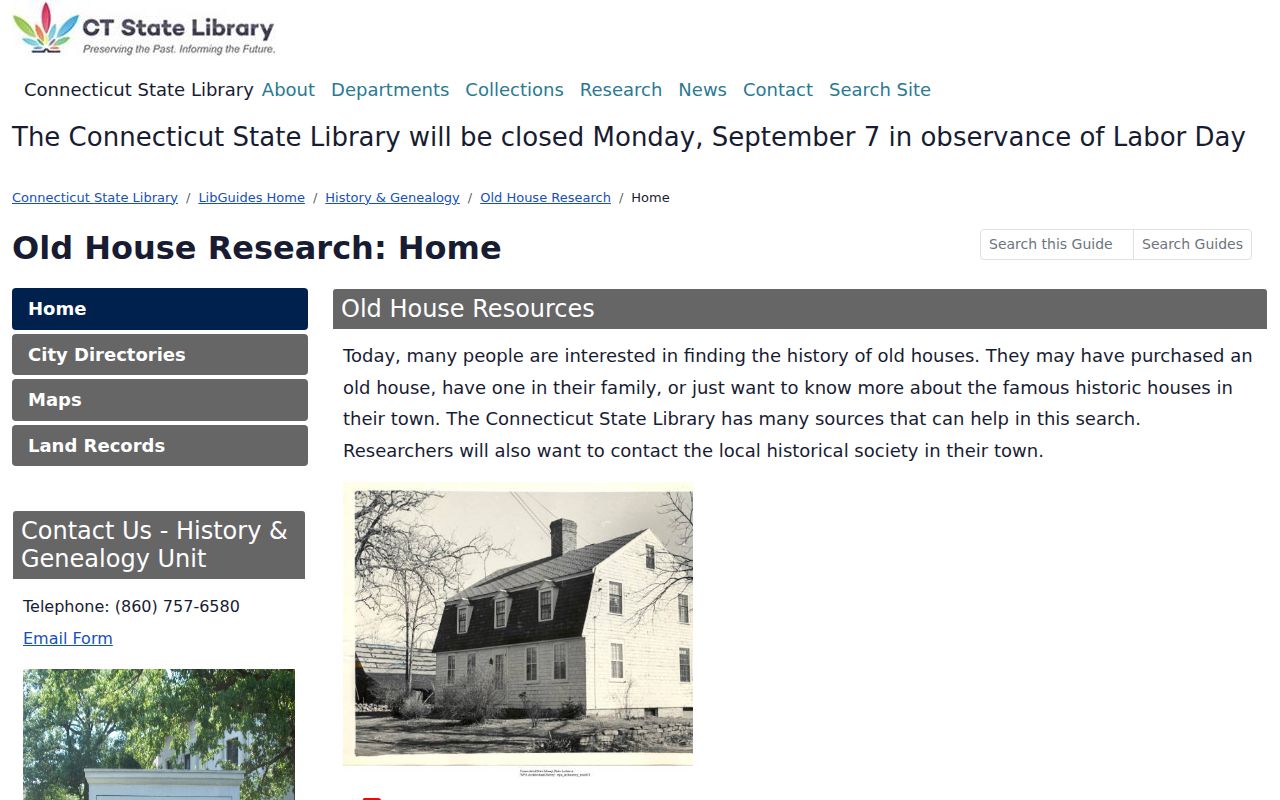
The guide is a research route, not a Berlin address roster. Pair it with a parcel and a dated people source.
Save the Current Berlin Parcel for House History
Before tracing Berlin previous residents, save the Berlin parcel ID, Berlin MBL, Berlin street label, and Berlin result date.
Begin at Berlin MapXpress with the current house number and street, owner name, parcel ID, or Unique ID. Save the owner string, physical LOCATION, MAIL_ADDR, mailing city and ZIP, MBL, sale date, and any condominium unit or legal identifier. The portal says property information is updated nightly and parcel maps are labeled July 2026, so record the date viewed.
This first step prevents a common error. A past deed may use a lot, unit, plan, or older street label while the current map uses a different address form. The parcel and legal description give the backward search a stable bridge.
A current owner is an entry point. It is not automatically the person who lives at the address now, and it says nothing by itself about earlier occupants.
Trace Berlin Past Residents Through Deeds
A Berlin deed chain moves from a current Berlin owner to an earlier Berlin grantee, with each Berlin instrument checked against the parcel description.
Deed and directory evidence for previous residents should be kept in separate Berlin timelines until the dates align.
The backward deed method follows the transaction rather than guessing from a street name. SearchIQS is the online land-record route, with guest index searching and image access that may require a subscription or charge. The Town Clerk remains the custodian for local records, copies, and older access paths.
- Search the current owner as Party 1 or Party 2, using a recorded-date range around the parcel's sale date.
- Record the deed or transfer description, recording date, instrument number, book and page, grantor, grantee, consideration if shown, and legal description.
- Take the seller or grantor from the purchase deed and search that name as an earlier grantee.
- Repeat with spelling variants, married or maiden names, corporate or trust names, MBL, lot, unit, and map references.
- When the online run ends, ask the Town Clerk about index books, record-book images, counter access, microfilm, and a map index.
- Grantor
- The party transferring an interest in the instrument.
- Grantee
- The party receiving an interest in the instrument.
- Chain of title
- The linked sequence of recorded transfers used to trace ownership backward.
- Legal description
- The lot, unit, plan, easement, or metes-and-bounds wording that identifies land beyond a street line.
Where Berlin's Past-Resident Land Trail Stops
Berlin's online land trail has dated layers, so a Berlin previous-residents search may need Berlin counter, microfilm, or library help.
SearchIQS lists land-record index and image coverage from January 3, 1972. Its map index reaches back to October 1, 1892, with map images from March 27, 1945. Grantor and grantee index books cover 1956-1971, while record-book images cover September 12, 1949 through December 30, 1971. Foreclosure registrations begin November 4, 2011.
These are not one cutoff. A deed index, a record-book page, and a map image may become available in different years. Use the correct route for the missing evidence. The available material does not establish a sample instrument number or page image, so use the official route for the exact book and page.
Berlin Town Clerk land-record information is the operational check for current copy charges, fraud alerts, and older counter questions.
Use the published coverage as a guide, then confirm the exact book or image with the office before making a claim about an early deed.
Berlin's 1914, 1922, and 1930 Directories
NARA gives Berlin directory years that can anchor a Berlin address, but a Berlin regional volume may include nearby communities.
NARA identifies Berlin directory years 1914, 1922, and 1930. The regional material also includes Cromwell and Rocky Hill. A Gale finding aid lists Berlin and Kensington reel entries for 1954-1959. These are strong anchors for previous residents, but not proof of a continuous shelf or a Berlin-only publisher.
Use the street or numerical section to move from address to occupant, then check the alphabetic section. Test Berlin, Kensington, East Berlin, and Berlin Station where the source uses them. Preserve the printed year, town section, page, and exact line. The Berlin city directory collection route explains the directory shelf and entry-reading limits in more detail.
NARA's Berlin directory inventory is the source for the early year anchors.
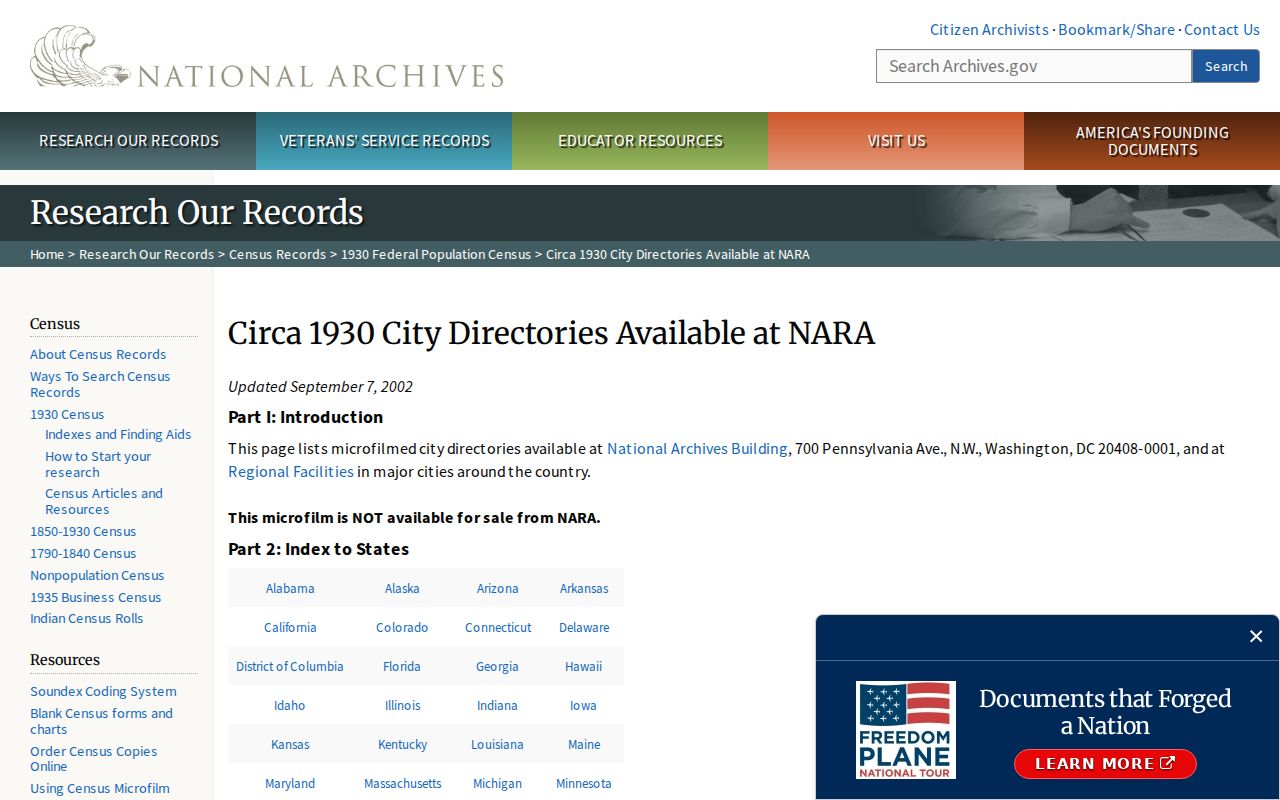
The inventory confirms years and regional scope, not an exact resident entry.
Berlin Sanborn Maps for Past Households
A Berlin Sanborn sheet can explain a Berlin building footprint and Berlin street context, but it does not name every Berlin occupant.
Sanborn maps provide the building layer in a house history. The Library of Congress identifies Berlin editions from 1887, 1895, 1901, and 1914, with the 1914 set containing nine sheets. A map can show a structure, footprint, use, street name, and nearby landmarks. It cannot identify the occupant.
Compare the map sheet with a directory address, a deed map or lot reference, and the current GIS parcel. If a house appears on a dated map but a directory search is empty, the gap may be a missing directory, a different town label, or a name arrangement issue rather than proof that nobody lived there.
The Library of Congress Berlin Sanborn record is the official map route for the sheet and edition details.
Who Lived in This Berlin House?
To ask who lived in a Berlin house, compare the Berlin directory entry, Berlin deed date, and Berlin newspaper or obituary clue.
Berlin-Peck links a “Who's Lived in Your House?” handout and a land-record guide for local house-history work. The Local History Room and Town Historian route can help interpret older street names, Berlin and Kensington labels, directory years, newspapers, and land records. The library says materials are for in-library use and appointments are arranged through the historian or volunteers.
Berlin Historical Society adds another local-context route. Its museum is at 305 Main Street in Kensington, and the 1771 House at 725 Worthington Ridge is available by appointment. Ask about photographs, family papers, vertical files, oral history, and buildings. No public house-file or member-name database was located, so the appointment request matters.
Berlin Historical Society information supplies the museum and appointment contact route.
Berlin Address Labels for Past Residents
Berlin, East Berlin, Kensington, and Berlin Station can be different labels for a historical Berlin search, not separate Berlin houses.
Berlin's historical address trail crosses community labels. Kensington, East Berlin, Berlin Station, Berlin, and New Britain can appear in records from different eras. New Britain separated from Berlin in 1850, so a pre-1850 source may use a parent or nearby community name. A 06023 postal-label change also shows that delivery labels can shift without a municipal boundary change.
The GIS street dropdown includes EB, REAR, and building variants. Those options are useful search strings, but no official citywide street-renumbering or renaming log is identified here. Do not attach a year to a formal change without a source. Use the legal description, nearest cross-street, map, and parcel geometry instead.
Berlin Obituaries and Probate for Past Residents
A Berlin obituary or Berlin probate case can add family context to a Berlin address, but the Berlin relationship must remain tied to a source.
An obituary can name a former address, spouse, relatives, funeral home, cemetery, organization, and community connection. Berlin News and Berlin Weekly News have short verified runs from 1891-1892, while Berlin-Peck links later local newspaper research. Treat the obituary as a lead and confirm the death with the Town Clerk or DPH.
Probate District PD-08 can connect a decedent, fiduciary, estate, property reference, or heir lead. The public case lookup begins January 5, 2011; older files use the court, State Library, or archive. Protected, confidential, and sealed material remains outside a general previous-residents search.
When an estate or obituary ends at a former household, state that the record supplies an endpoint or relationship clue, not a current address.
Pair Berlin Past Residents with Census Years
Pair a Berlin directory with a Berlin census year, then check whether the Berlin street and household details actually align.
A previous residents timeline is stronger when the Berlin city directory and Berlin census entry point to the same dated address.
Use a directory year and census year as neighboring views, not as identical dates. The federal census is an April snapshot, and 1950 is the newest public federal census under the 72-year rule. A directory may have been collected earlier or later than its cover year. Compare street, household names, ages, occupation, and nearby families.
- Copy the exact directory line, town label, street, year, page, and abbreviation key.
- Search the closest census year by Berlin, Kensington, East Berlin, or enumeration geography.
- Compare household composition and neighboring names without forcing a perfect match.
- Use the deed, newspaper, map, probate, or vital record that answers the date or relationship question.
This pairing is especially useful when previous residents appear in one source but not the next.
What a Berlin Deed Cannot Prove About Past Residents
A Berlin deed proves a recorded transaction, not when a Berlin household moved or whether every Berlin occupant was an owner.
A deed chain shows recorded ownership interests and legal descriptions. It does not prove who slept at the address, how many people used it, or when a household moved. A directory can show a dated occupant clue, but it may omit a person, use an old label, or contain an OCR or spelling error. A map shows a building, not a name.
House-history use. Previous residents research belongs to personal, lawful history work. Do not combine public records to stalk, harass, threaten, or harm a person, and do not publish a protected or confidential address.
When the goal is the current parcel chain, the Berlin Street Directory supplies the current address and owner workflow. When the goal is one living person's identity, use the appropriate custodian and record date instead of extending a historical clue beyond what it proves.